
Old Fashioned Canadian Ash 66 Snath Handle Only Blade Sold Separately
Quantité
-
Détail
- Dimensions (Overall): 66.0 inches (L), 1.5 inches (H) x 66.0 inches (W)
- Weight: 2.9 pounds
- Material: Wood
- Warranty: Multiple Warranties and/or Time Frames Apply. To obtain a copy of the manufacturer's or supplier's warranty for this item prior to purchasing the item, please call Online Guest Services at 1-800-591-3869
- Premium Traditional Scythe Snath (Handle Only): Authentic wooden scythe handle designed for use with a separate scythe blade, ideal for traditional mowing and hay cutting.
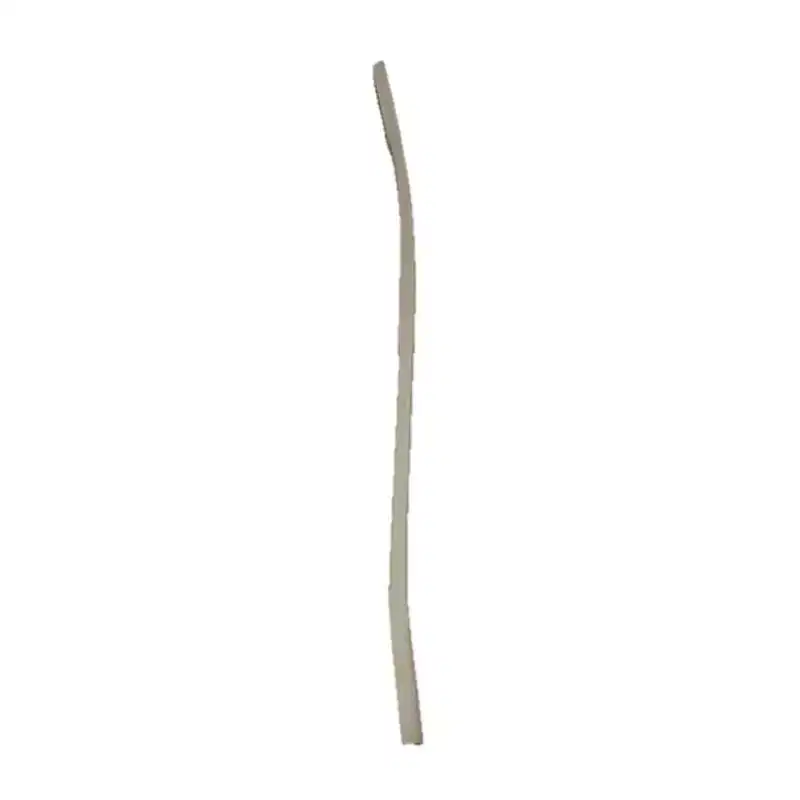
- Steam-Bent Ash Construction: Crafted from strong, flexible ash wood using steam-bending techniques for durability, balance, and comfortable ergonomics during use.
- Handcrafted by Mennonite Wheelwrights: Expertly made in Canada by skilled Mennonite craftsmen known for time-honored woodworking traditions and long-lasting quality.
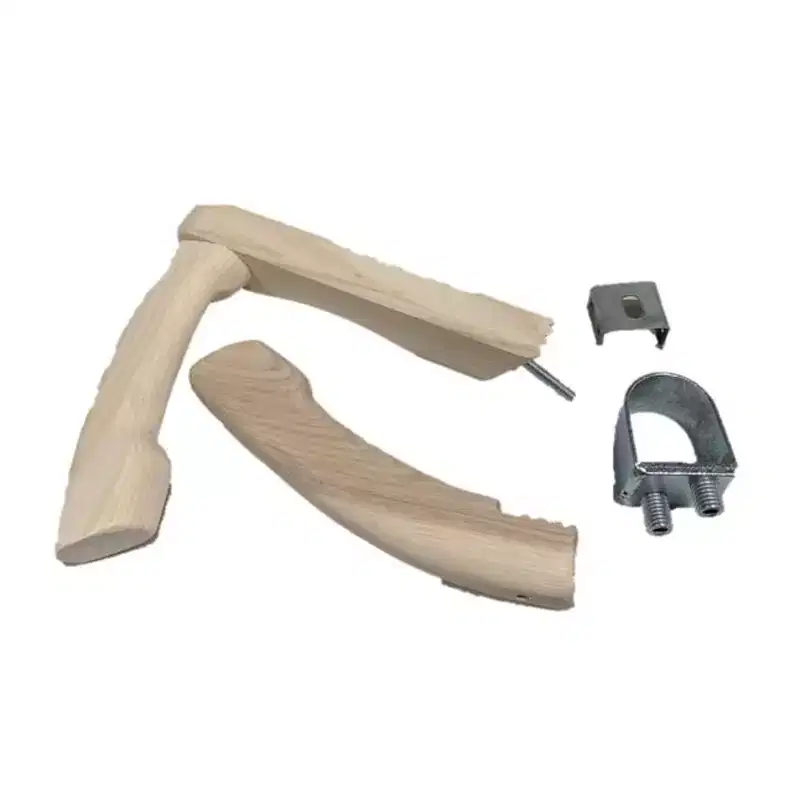
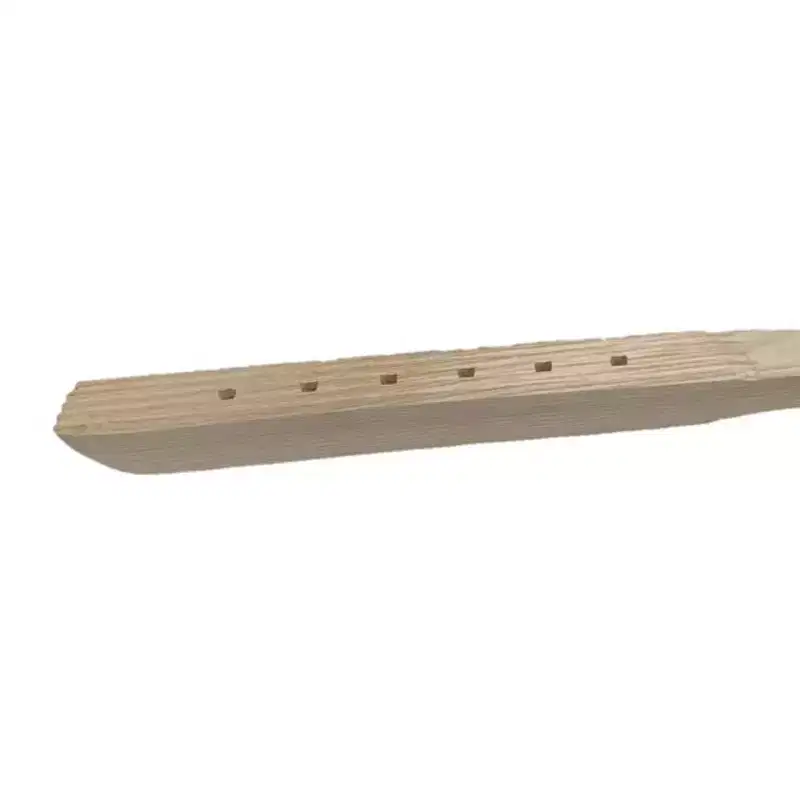
- Includes Ring & Hardware: Comes complete with mounting ring and hardware, ready for blade installation (blade sold separately).
- Built for Serious Scything: Designed for experienced users who value precision, traditional craftsmanship, and effective manual land management.
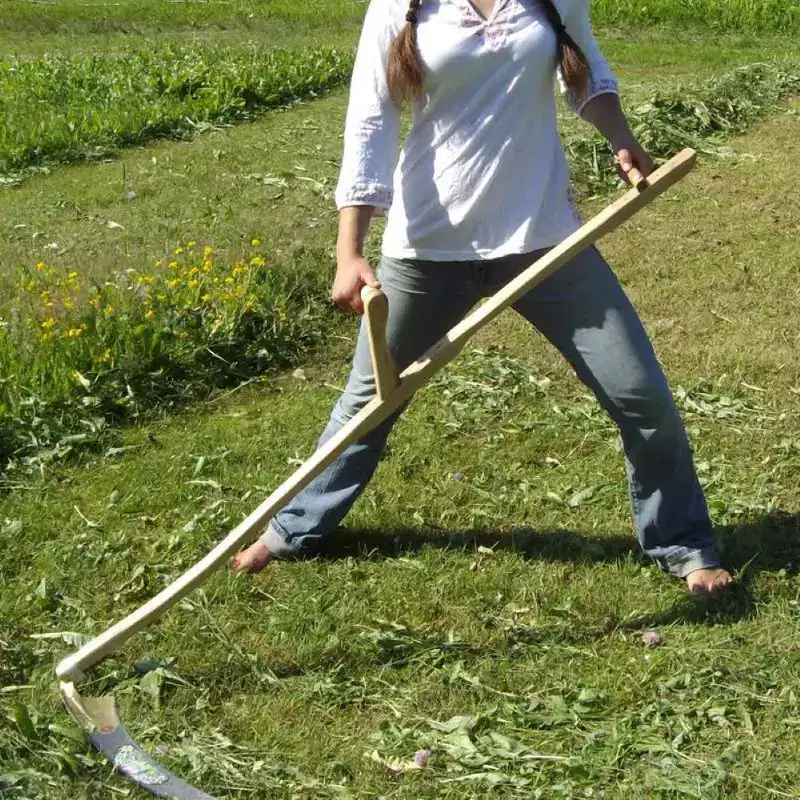
We are proud to presently be their only USA dealer. Snaths come with ring and hardware - the blade must be purchased separately. Steam-bent ash, crafted by Mennonite wheelwrights in Canada. Note: Photo shows what the entire scythe looks like, but this listing is for the WOOD HANDLE (SNATH) ONLY!A note about our photos: Experienced scythers often work barefoot because they say it's therapeutic. Accidents to the user are almost non-existent because when the scythe is properly maneuvered, the blade does not even approach the user's feet. Bystanders run the greatest risk of injury and should always remain at a safe distance, preferably several feet behind the user.
-
Témoignages de clientsPas de commentaires